

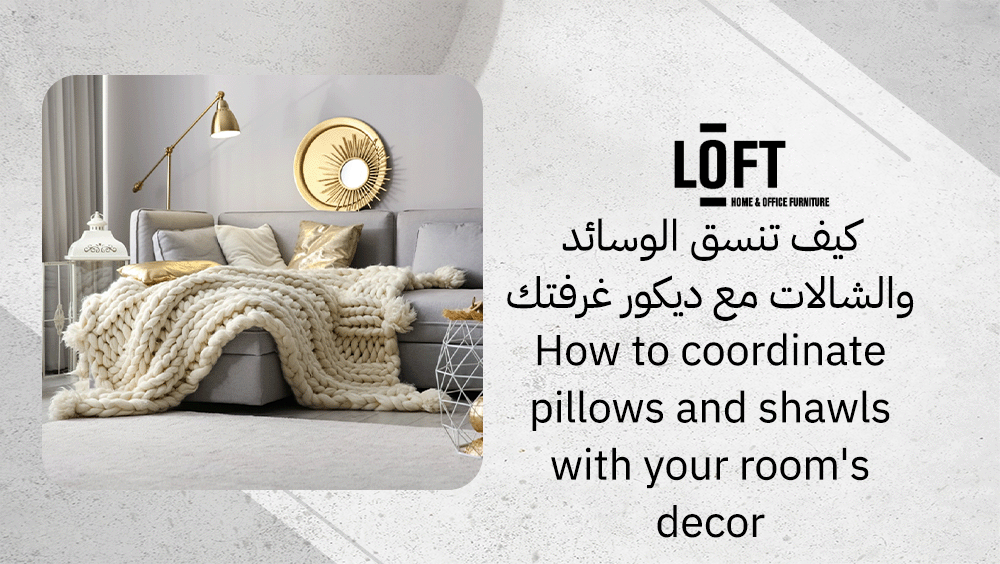
Discovering how to coordinate cushions and throws with your room décor can instantly transform the atmosphere and provide a smart way to refresh your space with minimal effort—no need to replace furniture or repaint walls. Cushions and throws are not just minor details; they serve as a precise color tool that links sofas, rugs, and curtains, adding a personal touch that reflects the mood of the room. If you are looking for sets that allow easy variation in colors and textures, we invite you to explore Loft Store collections, which offer unique flexibility and different experiences for every season and taste.
This practical guide is designed to be your comprehensive roadmap before taking any steps, whether you are arranging your room for the first time or aiming to refine your skills in coordinating cushions and throws on the sofa with more advanced precision. Here, you will find detailed answers on how to coordinate cushions and throws with your room décor using ready-made ideas, along with tips on color rules, sizes, and optimal arrangement. You will also notice the visual impact these small pieces can have and how they can create harmony, turning every corner of your room into a coherent and organized artistic space.
The Role of Cushions and Throws in Décor
Cushions and throws play a fundamental role in room décor. They are not just complementary elements; they are essential decorative anchors that highlight the beauty of the interior space and give it a special dynamic. By thoughtfully selecting and coordinating these pieces, you can easily refresh the room’s appearance, emphasize the chosen décor style, add your personal touch, and enhance visual comfort.
1. What Is Their Function?
Cushions and throws provide a quick and effective way to change the room’s character or update its appearance. They also help set the mood, whether contemporary, classic, or bohemian, while providing a sense of warmth and comfort.
2. How Do They Create Color Harmony?
When coordinating cushions and throws, they can act as a color bridge in the living or sleeping area, allowing you to link different colors within the space and distribute them intelligently to achieve complete visual harmony with other décor elements.
- Repeating shades from the rug, curtains, or wall art within the cushions facilitates elegant visual cohesion.
- Using complementary cushion colors enhances color distribution in the room and breaks monotony.
- Choosing throws in colors close to the cushions enriches the soft décor layers and turns these pieces into visual focal points.
3. Why Is a Soft Layer Important?
The soft layers provided by cushions and throws create visual depth and warmth, making the space feel less rigid and more welcoming. This adds a touch that makes anyone seated in the room feel comfortable and relaxed.
Coordinating Cushions and Throws by Color
Starting with a defined color palette is essential when coordinating cushions and throws with your room décor. Pre-selecting colors provides clarity, helps achieve visual balance, unifies the space’s elements, and prevents chaotic color clashes or purchasing mismatched pieces.
1. How Do I Choose a Color Palette?
To define a color palette, observe the colors of the walls, flooring, and rugs in the room. Select two or three main colors, then add lighter or darker shades of these colors, considering complementary colors to add depth and variety to your décor.
2. How to Coordinate with Neutral Colors?
Neutral colors like white, gray, and beige form a basic foundation for coordinating room colors. Including these neutrals in cushions and throws gives you the freedom to add bold accents without overwhelming the visual space.
- Neutral colors provide a calm backdrop, allowing colorful décor pieces to stand out.
- Choosing neutral cushions makes it easy to change the room’s overall vibe by adding a bold throw or cushion as needed.
- Neutral tones maintain visual balance even when combining different textures or patterns.
3. How to Incorporate Bold Colors?
You can introduce bold colors by selecting a cushion or throw in a strong hue that is subtly echoed in other room details, such as rug stripes or a small vase. For instance, if a rug has a hint of blue, repeat this blue with a soft throw on a chair or a small cushion. This approach achieves creative color harmony without overdoing it.
4. How to Mix Patterns and Textures?
To achieve balanced visual coordination, follow the principle of combining plain cushions, patterned ones, and those with distinctive textures. A plain cushion next to a geometrically patterned one, paired with a throw in a different fabric like linen or velvet, adds depth and warmth to the décor.
- Mixing small patterns with plain fabrics prevents visual clutter and maintains elegance.
- Patterned cushions can repeat a color from your palette without dominating the space.
- Distinctive textures like faux fur or wool enhance comfort and add a unique character, especially if chosen in a complementary or neutral color.
Choosing Appropriate Sizes and Numbers of Cushions
Selecting the right sizes and numbers of cushions is key to creating visual balance and harmony with room décor. When arranging cushions on a sofa, mix different sizes, graduating from largest to smallest to enliven the space. Typically, start with large back cushions (usually 50×50 cm), followed by medium or small 45×45 cm cushions, and finish with smaller rectangular cushions in the front. These layers provide depth and elegance when coordinating cushions with throws or the sofa’s color and texture.
1. What Size Is Best for a Sofa?
For a harmonious cushion arrangement, use large back cushions of 50×50 cm, add smaller 45×45 cm cushions in the middle layer, and finish with smaller rectangular cushions in the front. This variation in cushion sizes highlights each piece and prevents small cushions from disappearing behind larger ones.
2. How to Distribute Cushions on the Sofa?
When distributing cushions on a sofa, balance and comfort should be considered simultaneously. Place larger cushions in the back and smaller ones in front according to the piece’s style and space.
- For a three-seater sofa, place 3 or 5 cushions, arranging them harmoniously based on space and desired style.
- For a corner sofa, stack cushions in the inner corner to enhance warmth and dimensional variety.
- Avoid placing small cushions behind large ones as they may disappear and disrupt the final arrangement.
- Too many cushions can overcrowd the space, reducing comfort or hiding the sofa’s appeal.
3. How Many Cushions Are Appropriate?
The ideal number of cushions varies depending on sofa size and desired style; usually, three to five cushions for a three-seater avoid a crowded look while mixing sizes ensures perfect coordination.
Cushion Arrangement on Sofas and Beds
Proper arrangement of cushions in living or sleeping areas is key to visual harmony and emphasizing décor. Coordinating cushions on sofas or beds follows simple rules that give furniture a refreshed, attractive look and promote comfort and balance.
1. How to Arrange on a Three-Seater Sofa?
For a three-seater, placing two cushions on each side plus one central cushion is the most organized and simple approach, providing visual balance and a neat, elegant seating arrangement.
2. How to Arrange on a Corner Sofa?
For corner sofas, create a focal point at the corner where sides meet using 3–4 cushions of varying sizes and colors. This adds warmth to the corner and draws attention.
- Place a large cushion at the corner to anchor the focal point.
- Add medium and small cushions progressively forward.
- Use varied colors and fabrics to enhance visual depth and make the corner sofa dynamic.
- Distribute cushions evenly without crowding edges for a practical, attractive look.
3. Best Bed Cushion Arrangement
Arrange bed cushions from largest at the back to smallest at the front, creating visual support and layered warmth. This maintains a neat appearance and reflects your refined taste.
Coordinating Throws and Cushions with Furniture
Throws and light blankets play a prominent role in adding warmth and elegance, while highlighting harmonious throw styling with other décor elements.
1. How to Style Throws on Sofas?
Place throws in various ways on sofas: neatly folded on sofa edges or casually draped over a corner for a relaxed look.
2. Best Casual Draping Techniques
Casual draping is popular for giving the space a warm, natural feel:
- Let one end of the throw hang slightly to the floor for a relaxed, warm effect.
- Avoid pulling or over-folding the throw to maintain its casual appeal.
- Use flexible light blankets that drape smoothly over sofa edges.
3. Choosing Throw Fabric
Select fabrics suitable for daily use such as cotton, acrylic, or synthetic wool. These materials provide comfort and withstand frequent use without losing their shape or softness.
FAQs
How can I design my room with AI?
Use AI tools and applications to virtually design your room, experimenting with color schemes, furniture, and patterns before applying them in reality.
What is the 60/30/10 rule?
This color rule distributes three main colors in a space: 60% primary, 30% secondary, and 10% accent, achieving visual balance and harmony.
Best furniture arrangement for a reception area?
Select a focal point like a large window or art piece, and arrange furniture around it, ensuring clear paths and ease of communication, avoiding clutter.
Interior design and décor principles?
Include color harmony, lighting distribution, visual points like contrast and texture, proper proportions, and movement comfort to ensure a balanced and visually appealing space.
Conclusion
Coordinating cushions and throws with your room décor depends on selecting colors, fabrics, and patterns that reflect your personal taste and add a unique touch. For further inspiration and ideas on how to coordinate cushions and throws, visit Loft Store to explore collections that allow you to create warm, contemporary décor effortlessly.